Faith for the Climb

Over the past 18 months or so, I have had the privilege of working with Brigham Young University (BYU) in Utah, helping to place students in internships across Scotland and Ireland.

It has been a joy to get to know these young people as they step into new workplaces, new cultures and, for many of them, a very different way of life.

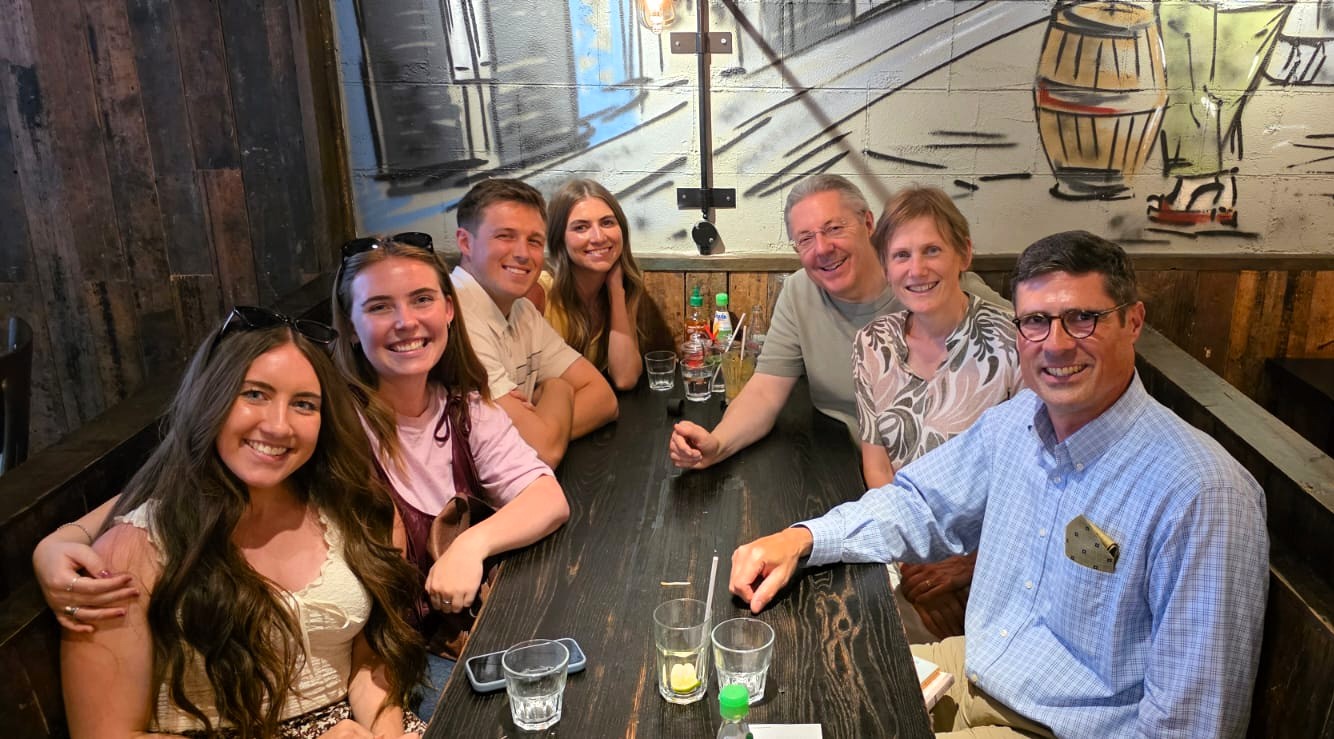
This week, Tony Brown, who leads BYU’s international internship programme, was visiting Scotland. Monic and I enjoyed sharing a meal with Tony and a few of the students currently based in Edinburgh: Reagan, Will and Brook.
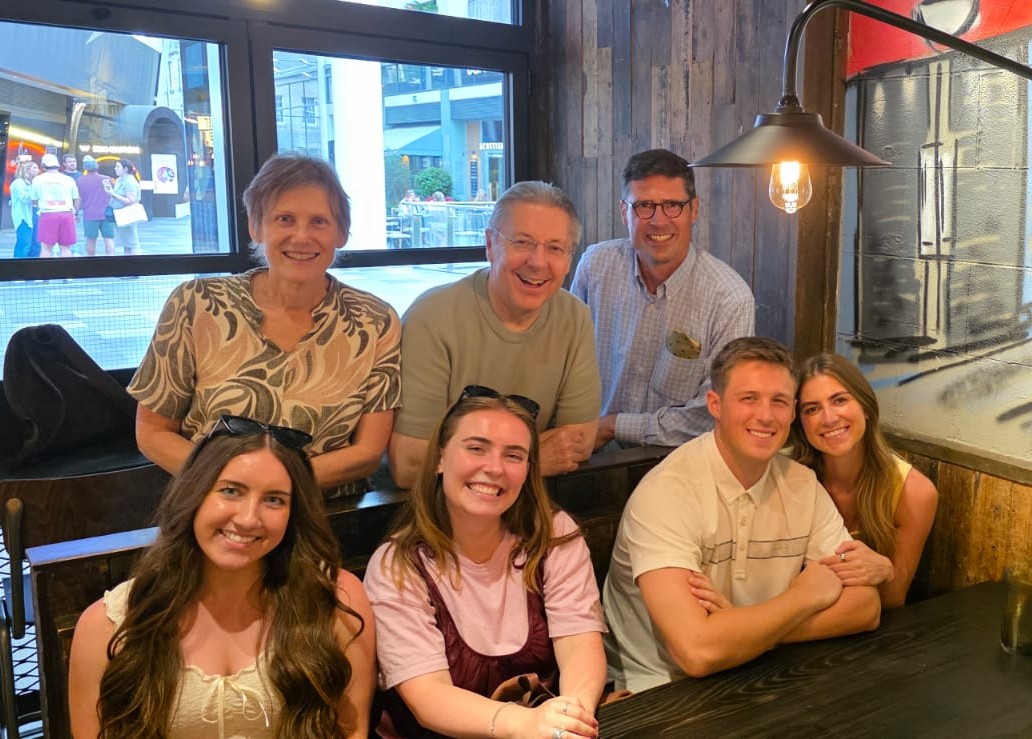
There was plenty of laughter as they spoke about new responsibilities, unfamiliar accents, Scottish weather, different foods and all the little surprises that come from living far from home.

Later that evening, two of them decided to climb Arthur’s Seat.

Their footwear (see featured image) was not, perhaps, what any experienced Scottish hillwalker would have recommended!

Yet up they went.

Looking at the photograph afterwards, I found myself thinking that life and faith can sometimes feel a little like that.

We do not always feel fully prepared for the path ahead. We may not have all the answers, the perfect plan or even the most suitable shoes. Sometimes we simply take the next step, trusting that the way will become clearer as we climb.

The Apostle Paul wrote: “For we walk by faith, not by sight.”- 2 Corinthians 5:7

Faith does not always mean knowing exactly where the path will lead us. Sometimes it simply means moving forward with enough courage for the next step.
These students have travelled far from home, entered unfamiliar workplaces and learned to adapt to new people and cultures. Along the way, I know they are discovering more than just some professional skills. They are learning resilience, confidence, humility and the importance of relying upon others.

Perhaps that is true for all of us.

God often teaches us beyond the familiar. He invites us to leave comfortable places, to meet different people, to stretch a little further and to see life from a higher perspective.

And thankfully, we rarely climb alone.

So, to all those making this journey: Keep learning, keep trusting and keep climbing.

The path may occasionally be steep, but the view often changes when we are willing to take a few faithful steps onwards and upwards.

Although next time, perhaps check the footwear first!

Where might God be inviting you to trust Him before you can see the whole path?
The Pillow Principle

At the start of a recent Lead the Way programme at Aviva in Perth, my co-facilitator, Sophie and I ran our usual check-in.

Nothing too complicated. Just a moment to hear where people were, how they were arriving, and what they were carrying into the room.

We figured out our earliest riser and one participant, Miriam Lacey, shared that she had been up since around 2.00am.

Not 2.00am in Perth, but 2.00am in Galway, Ireland.

She had made the long journey arriving in Perth ready to learn and was still giving her attention and energy to the day. By late afternoon, however, it was becoming clear that the early start was catching up with her – and to be fair, a few others too.

So, during a break, and mostly for a bit of fun, I went off and found her a pillow.

It got a laugh.

But it also got me thinking.

Sometimes leadership is not a grand gesture. It is not always the big speech, the strategic decision, or the perfectly crafted framework.

Sometimes leadership is simply noticing.

Noticing who has gone quiet.
Noticing who is carrying more than they said.
Noticing who is still showing up, even when their energy is running low.

And then doing something about it by showing a little empathy.

The pillow didn’t remove Miriam’s tiredness, or shorten her journey from Galway, or magically restore a full night’s sleep.

But it did say, “I see you.”

And sometimes that is the most human leadership message we can offer.

In organisations, we can become so focused on performance, outputs, pace, and productivity that we forget people are human beings, not machines. Our participants arrive with journeys behind them. Early mornings. Family pressures. Full diaries. Quiet worries. Tired minds. Heavy loads.

Leadership asks us to pay attention to the whole person, not just the role they are performing.

Yes, we still need accountability, standards, contribution, participation, and delivery.

But care and performance are not opposites.

In fact, people often give more of themselves when they know they are seen, understood, and supported.

The pillow principle may not be a leadership model, but it did cushion the point. 😊

Before we try to challenge, coach, or develop people, we may first need to notice them.

Because sometimes the smallest act of care can create the safest space to learn.

And sometimes leadership looks like a pillow placed quietly beside someone who got up at 2.00am in Galway and still chose to show up.

What small act of care could help someone feel seen this week?

Heaven Has Many Accents

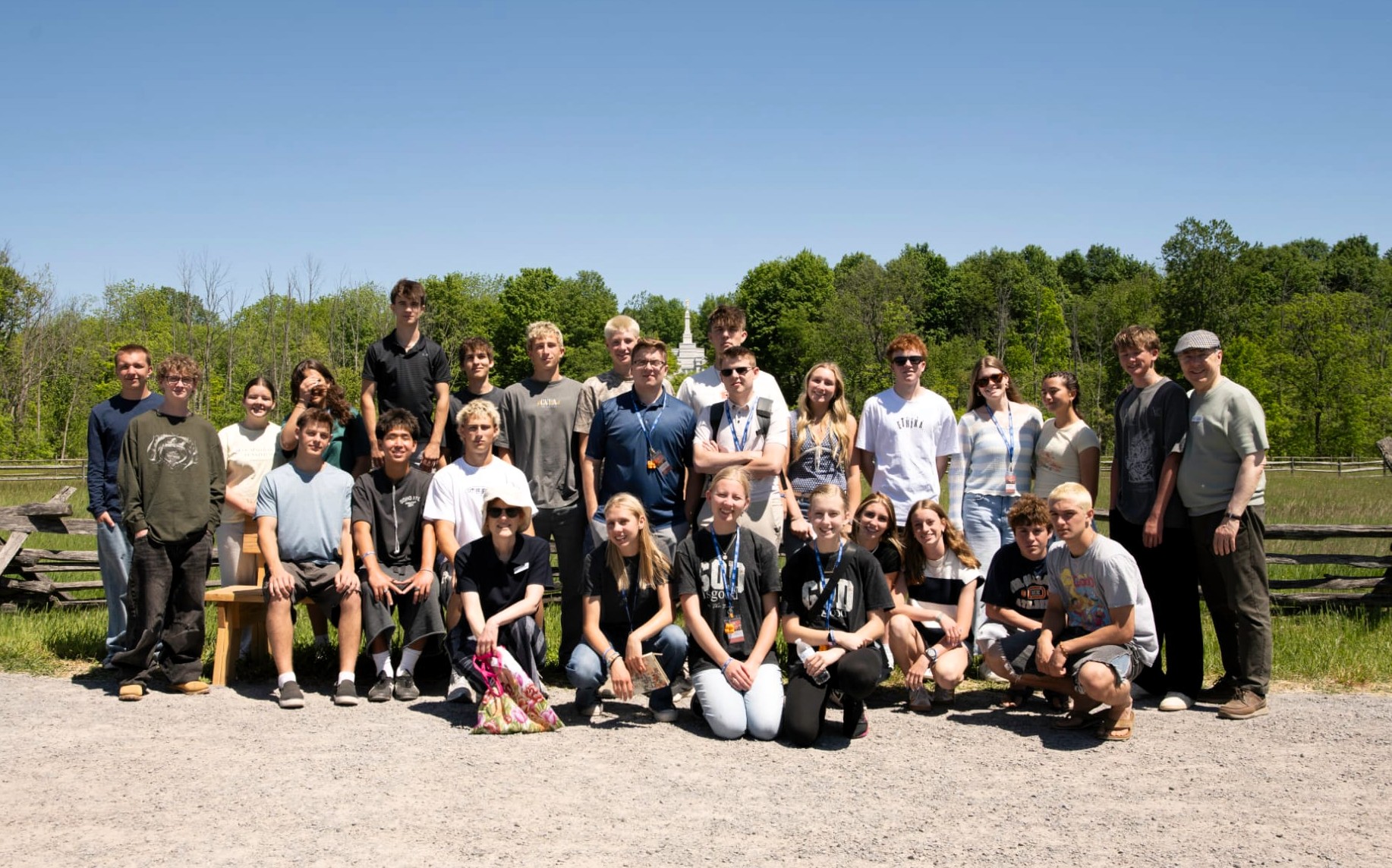
Reflecting back this morning on our church history tour a whole month ago already, I found myself smiling at one of the more unexpected memories…

My Scottish accent.

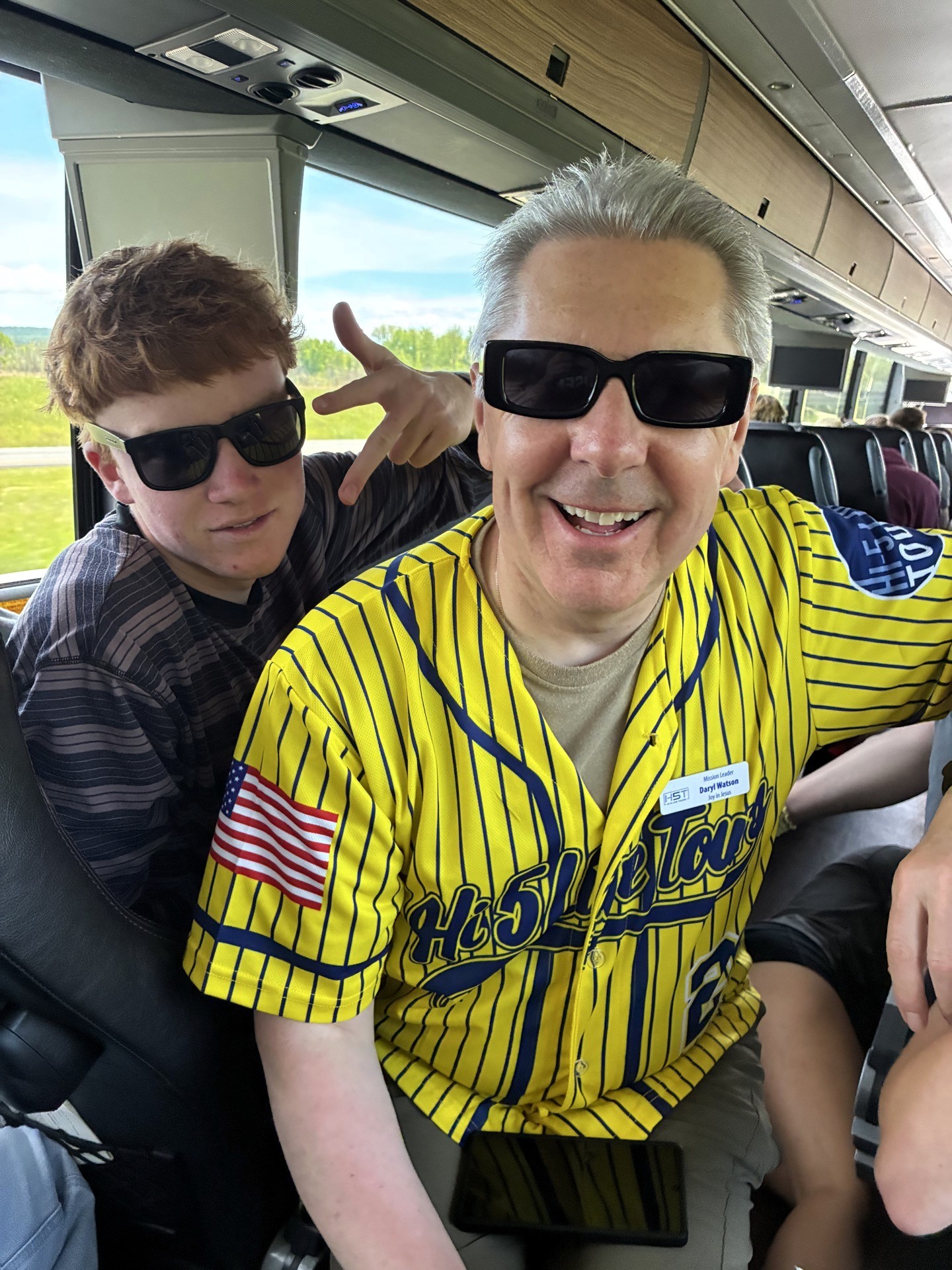
Being with all those amazing young people, I quickly discovered that for many of them, I was the first Scot they had ever met. Which meant, of course, that I was both a leader of their group and an unofficial travelling exhibit!

As we walked between sites, sat under trees, waited for buses, and shared conversations, they would often ask me to repeat words, simply because I think they liked the sound of them. And sometimes because they had absolutely no idea what I had just said!! They were fascinated!

They asked about Scotland – a lot. About our Scottish weather, our words, our food, and the legendary haggis wee beastie!

Inevitably, they asked me to do an American accent.

I am sorry to report that this was not my finest hour.
The best I could offer was the phrase “apple pie” in what I hoped was a convincing Southern drawl, but which probably sounded more like a confused Scotsman ordering dessert in Texas.

We laughed a lot and we all loved it.

For me, there was something joyful about our little exchanges.  A reminder that connection often begins in curiosity. Not big grand speeches. Simply a teenager saying, “Can you say that again?” and a Scot trying very badly to sound American.

But as I think about it now, we all came to that trip with our own accents. Not just the way we speak, but the way we see the world. Our homes, our cultures, our experiences, our questions, our fears, our humour and our hopes.

And yet, beneath all of that, we were the same, sharing one thing in common – we are all Children of God.

Different voices, different backgrounds and different stories… but the same divine parentage.

Accents

I know that our Heavenly Father hears every sincere voice. He understood a young boy in 1820. He understands teenagers from Utah. He understands a Scotsman stumbling through “apple pie.” And He understands the language beneath our accents – the language of the heart.

We shared our conversations together on paths, questions between sites, laughter on buses, sacred thoughts under trees and our friendships formed across accents.

I know that God’s family has many voices and when love is present, we understand each other better than we expect.

So yes, they heard my Scottish accent, and I heard their curiosity, kindness, humour, and faith.

Accents and all, we belonged to each other for a few unforgettable days… And maybe that is a little glimpse of heaven. Different voices. One family. All children of God.

Who needs to know they belong, accent and all?

What We Carry

Last week, I had the pleasure of working with one of my co-facilitators Annmarie for the first time on a face-to-face programme in Perth.

She arrived with lots of enthusiasm, humour, professionalism, and one very obvious accessory…

A moon boot.

Not a discreet little support… But a big, black, unmissable moon boot!

She explained that whilst on holiday she had injured her ankle and foot.

We started our session, and I noticed as she walked around the room, she was clearly uncomfortable at times.

Yet, she facilitated. She listened. She laughed. She adapted. She hobbled when she needed to hobble and kept going, doing remarkably well at times.

We found our rhythm together, adjusting around each other as she wandered, and we smiled at the many silly little “boot” moments.

That boot got me thinking.

In the Room

Some things people bring into a room are obvious. You cannot miss them. They are strapped on, sticking out, and occasionally making a dramatic appearance under the table.

But most things are not like that.

It’s me experience that people also bring tiredness. Pressure. Worry. Hope. Nerves. Grief. Frustration. Unanswered emails. Family concerns. Thoughts that won’t quite settle. Emotions that quietly shape behaviours.

In my case, I was also carrying the pain of Scotland’s result against Brazil.

Some injuries, of course, are harder to diagnose.

But that is the point…. We all bring something.

Some of it is visible and yet most of it is not.

And perhaps good leadership begins when we remember that. When we stop assuming that what we can see is the whole story. When we notice the person, not just the performance. When we make room for what people are carrying, even when they never say it out loud.

There is a thought I have always liked: day by day, it can feel as though nothing much changes, but when we look back, we realise everything is different.

That felt true last week.

At the start, Annmarie and I were simply two facilitators working together for the first time.

By the end, something had shifted.

A partnership had formed. Trust had grown. Laughter had done its quiet work. And a rather large moon boot had reminded me of a simple truth.

People rarely arrive empty-handed.

The question is whether we notice what they bring – and whether we create the kind of room where they do not have to carry it alone.

What might someone around you be carrying that you cannot see?

Where Prayers Echo

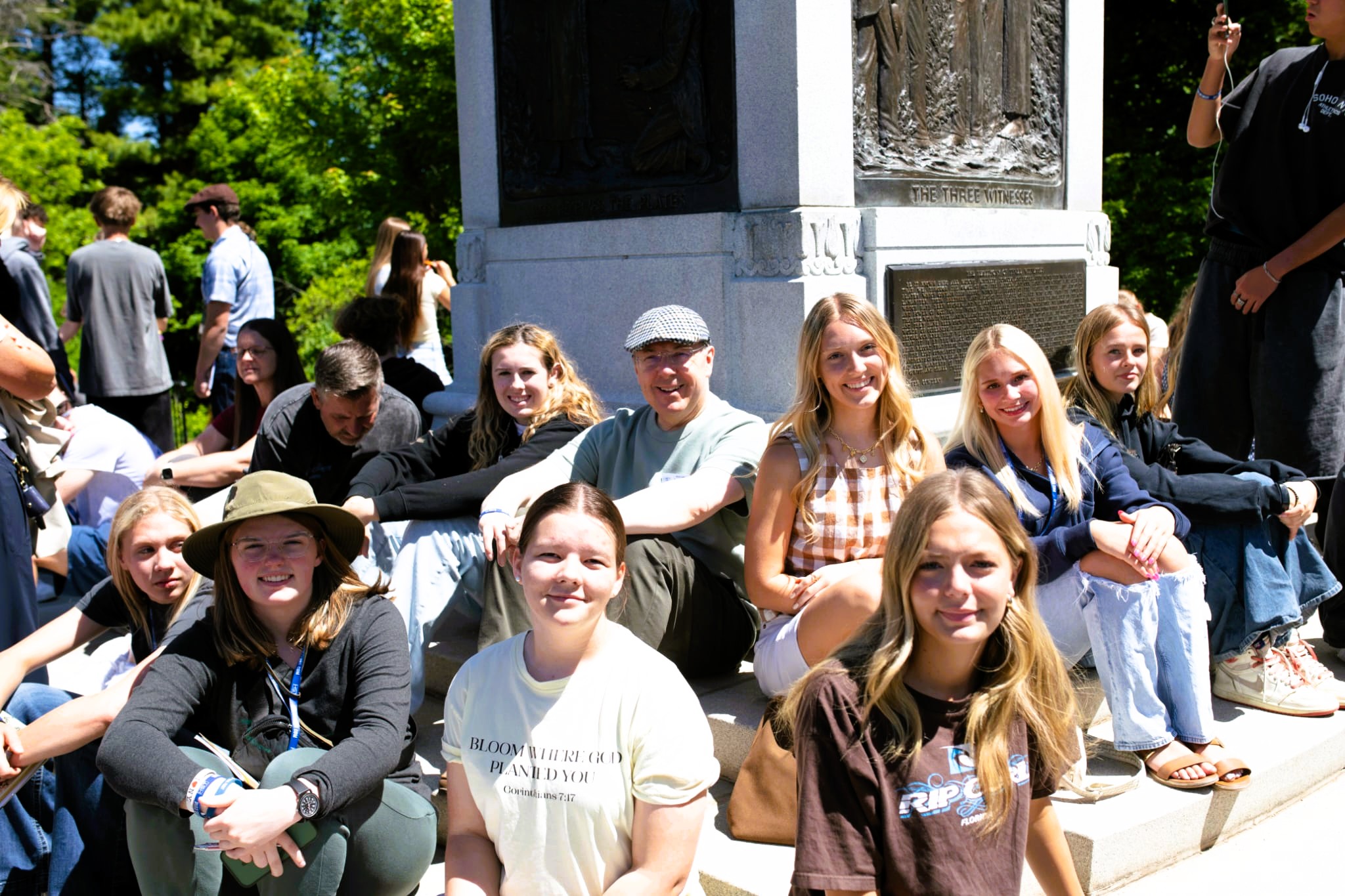
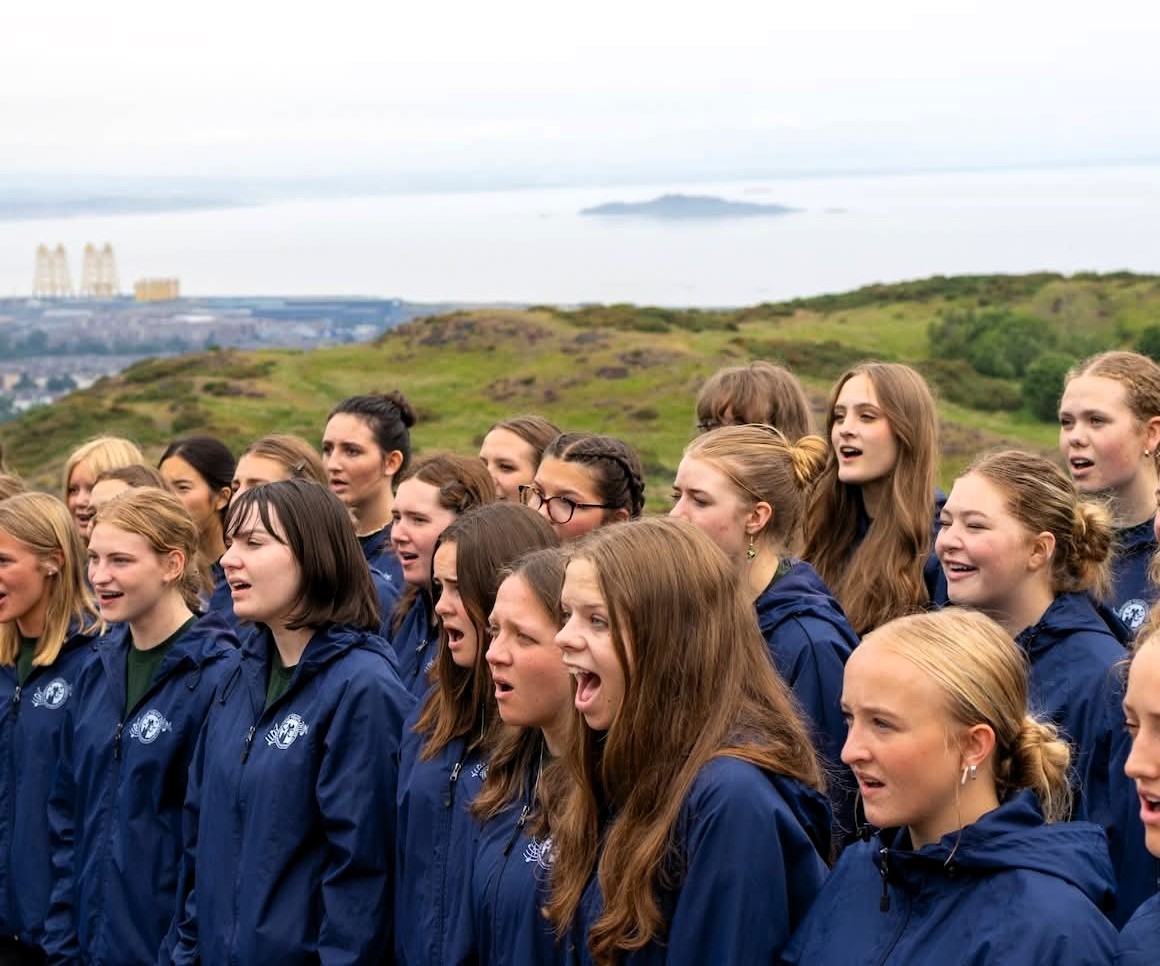
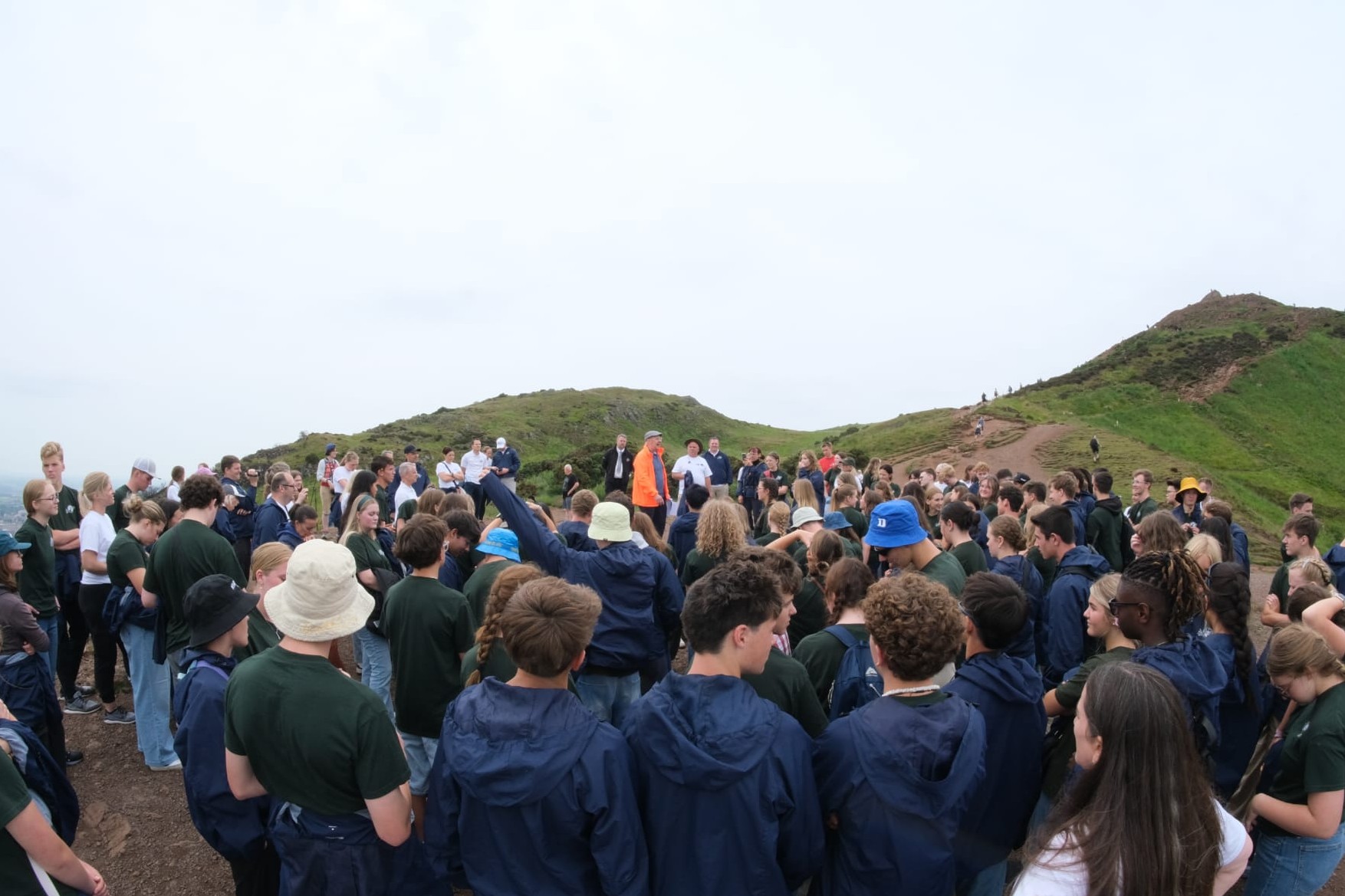
Recently, I found myself walking up Arthur’s Seat in Edinburgh again, but this time with over 120 young people from the Utah Heritage Youth Chorus along with their leaders.
Or, as a few of my new American friends gently reminded me, “Arthur’s Seat in Edinburg.”
Naturally, I had to pause the spiritual instruction for a small but important language lesson.
“It’s Edinburgh,” I told them. “Not Edinburg.” We had a good laugh about that!
Halfway up the hill, they stopped and sang; “Go Tell the World About Me”.
And it was beautiful.
There was something deeply moving about hearing those young voices rise over the city. The castle in the distance and the old streets below.
As they gathered there, I shared a little of the Orson Pratt story.
In 1840, Orson Pratt came to Scotland as a young missionary and Apostle of The Church of Jesus Christ of Latter-day Saints. His early meetings in Edinburgh were not exactly overflowing. Sometimes only a few people came. It would have been easy to feel discouraged.
Late in the spring of 1840 however, he climbed Arthur’s Seat, looked out over the city, and prayed. He asked the Lord to help him find 200 people who were ready to receive the restored gospel.
He did not simply see streets, buildings, smoke, stone, and rooftops, rather he saw souls and ten months later, that goal was miraculously accomplished.
That thought stayed with me as I looked at those young singers.
Nearly two hundred years later, here they were, standing on the same hill, singing of Christ over the same city. Orson Pratt could never have imagined their flights, phones, matching shirts, leaders, buses, cameras, or their questionable pronunciation of Edinburgh.
But perhaps heaven could.
I love the thought that prayers offered in faith can echo far beyond what we see at the time.
Orson Pratt prayed on the hill, but then he went back down into the city and went to work. He preached, printed, invited, endured, and kept going.
That feels like discipleship to me.
Today all of our missionaries serving in Scotland and Ireland, pray too on this very hill and serve in the streets with all the energy of their heart and soul.
They have moments of beauty, clarity, music, and stillness. Then after some time, return to ordinary life and try to live what they have felt.
Doctrine and Covenants 64:33 says, “Be not weary in well-doing, for ye are laying the foundation of a great work.”
Last week, those young people added their small part to that continuing story, with their song on the hill and a prayer in their hearts.
What small act of faith might echo further than you imagine?

Beneath the Lid

Returning from holiday recently, I noticed a new addition to the Learning Centre in Perth.

A 𝒇𝒓𝒆𝒆𝒛𝒆𝒓. 🥶

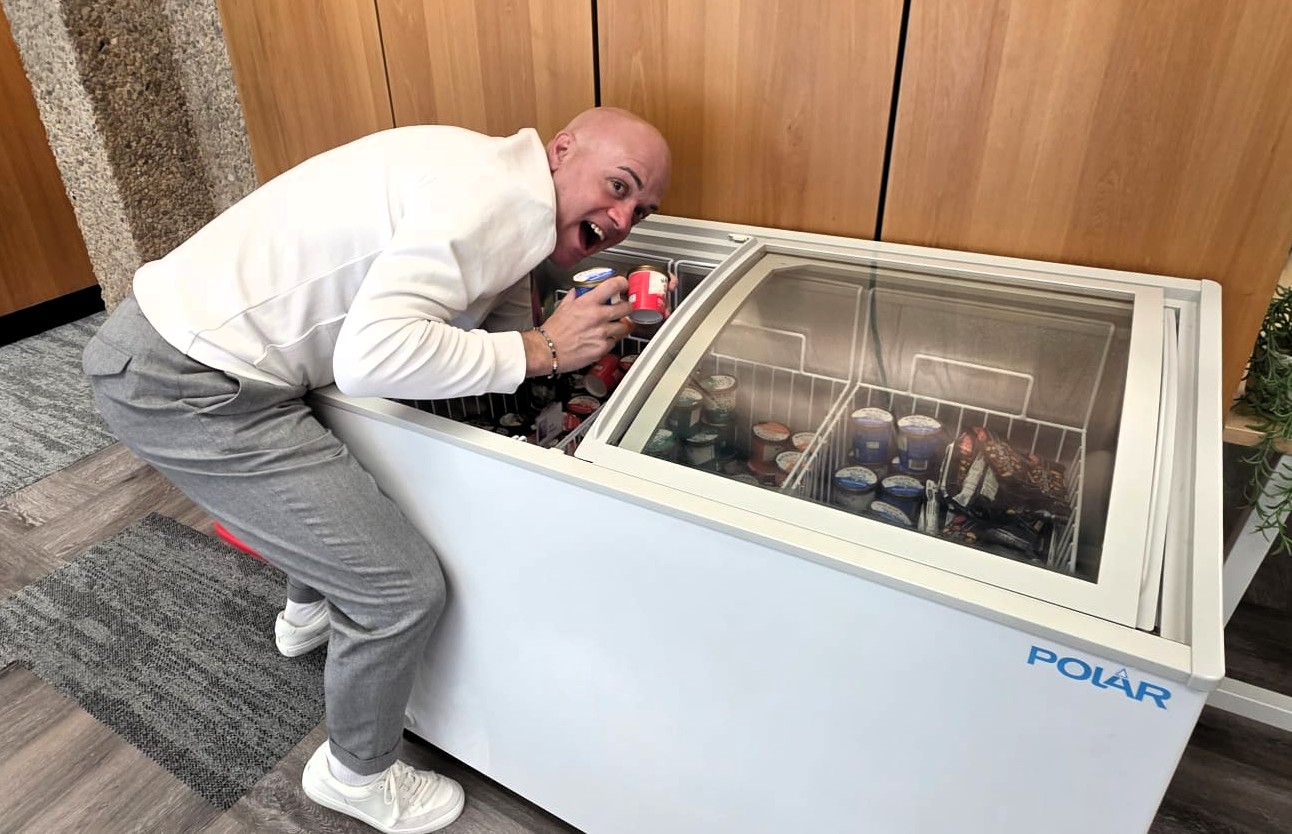
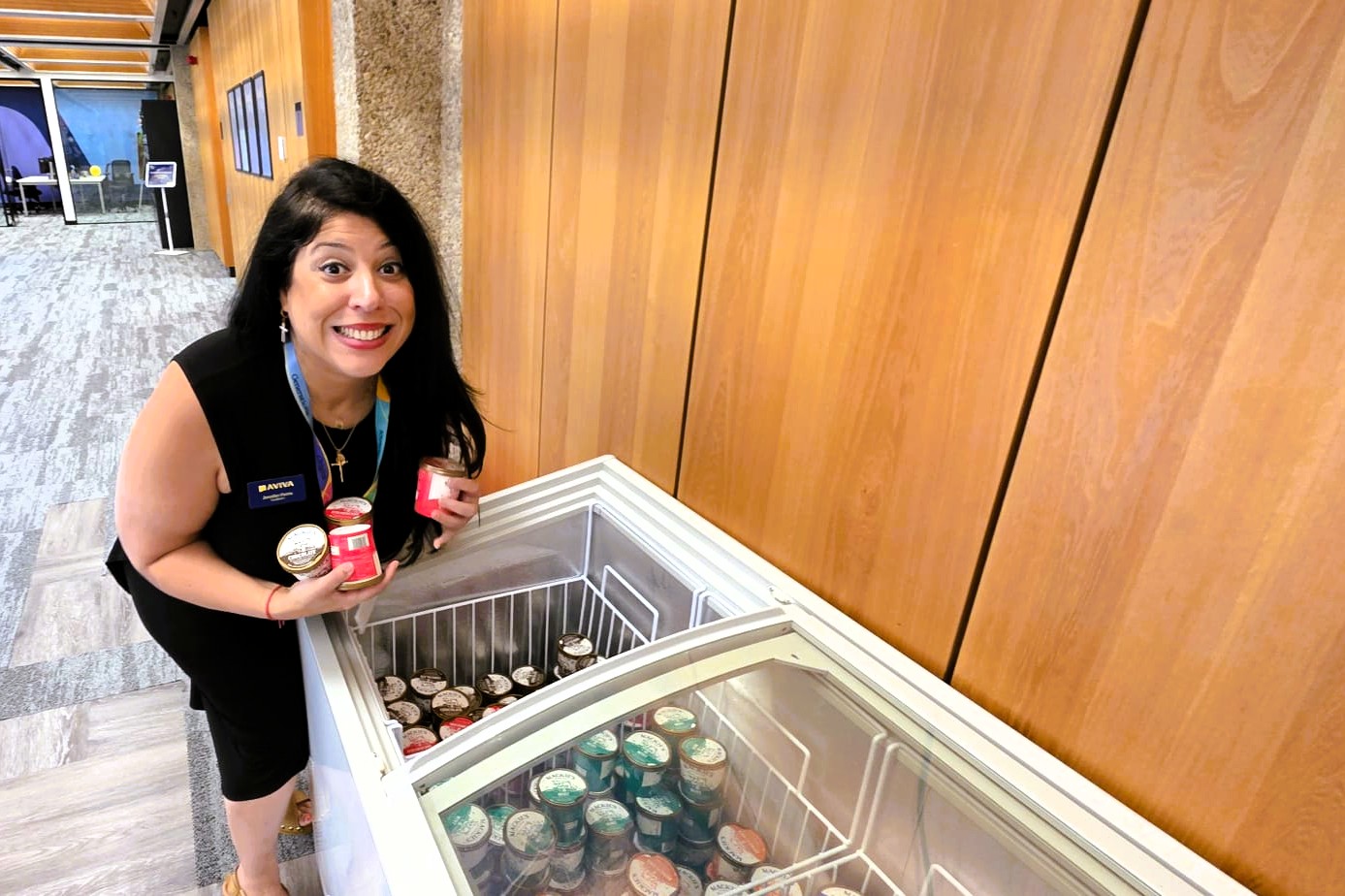
Not just any freezer, but a large freezer filled with lots of wee tubs of Mackie’s ice cream. 🍦

Chocolate, honeycomb, vanilla and mint.

A small Scottish treasure chest sitting quietly in the corner.

I am told it will be locked most of the time – thank goodness!

Of course, when the freezer was open, it created an unexpected moment of joy for a couple of my fellow facilitators. There was laughter, searching, stretching, choosing and, in one case, Steve almost disappearing headfirst into the freezer in pursuit of the perfect tub.

Thankfully, no facilitators were harmed in the making of this leadership lesson.

It was all very light-hearted, but it got me thinking.

Sometimes leadership is a little like that.

It is easy to stand at the edge and look through the glass. We can observe from a safe distance, make assumptions about what is inside, point helpfully, offer advice, or wait for someone else to do the digging.

But sometimes, if we really want to understand what is going on, we have to lean in a little further.

We have to open the lid and look beneath the surface.

In teams, the most useful insights are not always sitting neatly on top.

Lead the Way

At Aviva, throughout the Lead the Way programme, we often explore the things that sit a little deeper: hidden talent, unspoken frustrations, creative ideas, people needing encouragement, or colleagues who have more to offer than we have yet noticed.

In my experience, good leaders do not just glance across the surface. They get curious. They ask better questions. They listen properly. They are willing to look again.

And sometimes leadership means getting involved rather than simply giving instructions from the side.

I believe there is something powerful about leaders who are prepared to roll up their sleeves, join in, help search and occasionally look a little ridiculous in the process.

I know that trust is not built only in the formal moments. It is also built in the small, human ones too.

Around a freezer. Over a shared laugh. In the search for honeycomb. In the simple act of being present with people.

Perhaps the real leadership lesson was not in the ice cream at all. It was beneath the lid.

Although, to be fair, the honeycomb helped!

What might you discover if you took time to look beneath the surface?

The Missing Number Five

It’s always a joy visiting my mum on a Saturday morning.

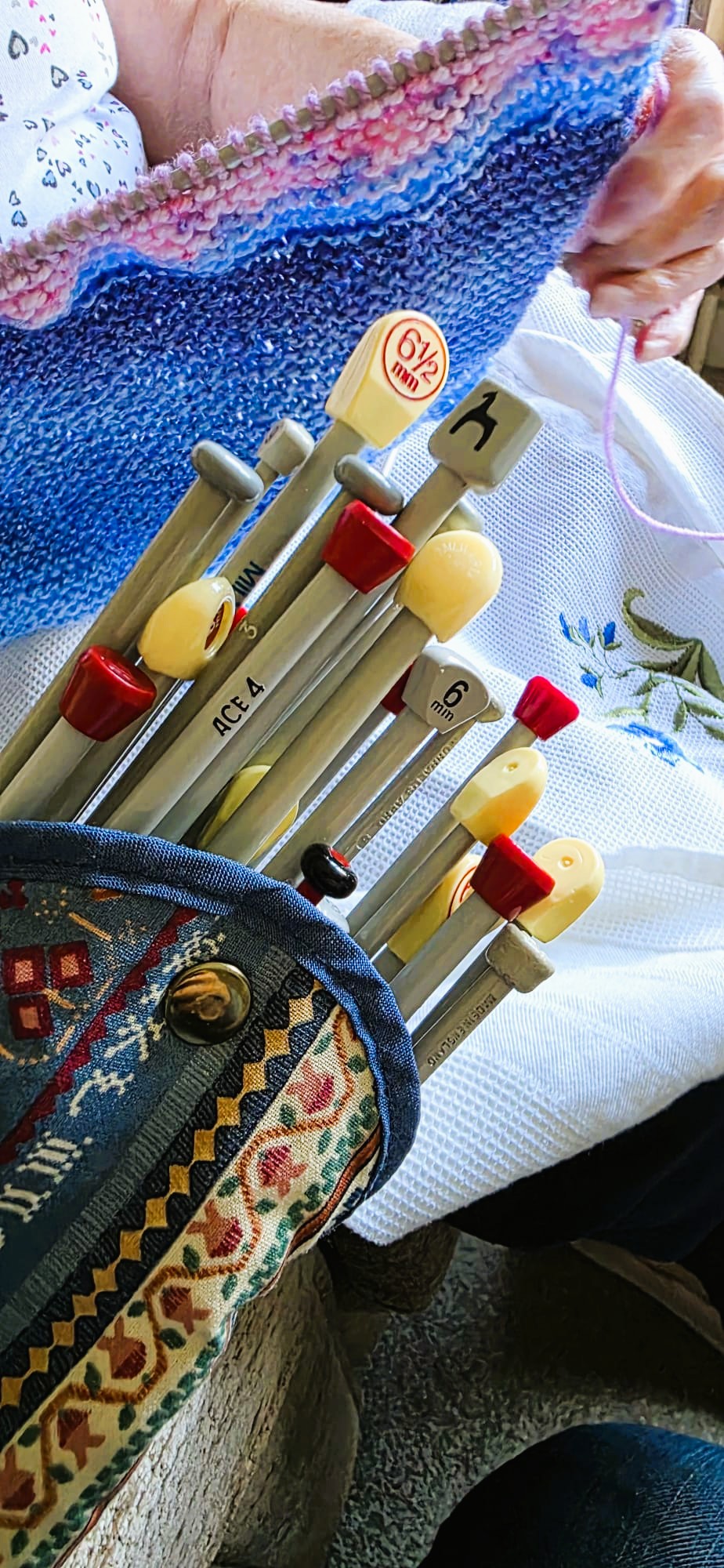
Towards the end of my visit yesterday, I noticed a long pouch sitting on the chair.

“What’s in there?” I asked.

“It’s full of knitting needles,” she said.

Looking inside there were long ones, short ones, thick ones, thin ones, grey ones, yellow ones, red-topped ones, and a few that looked much older than mum!

Each one had a number on it and so I asked, “What do the numbers mean?”

Mum then gave me a detailed explanation of needle sizes, wool thickness, patterns and what she was currently knitting. I nodded, with the face of a man who understood almost none of it!

Then she said, “I’ve been through the whole pouch and can’t find a number 5. I’m sure there’s one in there.”

So, off I went hunting through the pouch.

A few seconds later, there it was, a number 5.
“How did you find that?” she said. We laughed. Then we laughed some more.

I suspect my knitting career may have peaked.

But there was something lovely in that little moment.

To me, the pouch looked like a cheerful jumble of metal sticks, plastic ends, mysterious numbers and woolly possibilities.

To Mum, it made perfect sense.

Each needle had a number.
Each number had a purpose.
Each purpose fitted a pattern.

The lesson

It reminded me of Paul’s words:

“In whom all the building fitly framed together groweth unto an holy temple in the Lord.”
— Ephesians 2:21

The Lord does not see us as a random bundle of personalities, gifts, quirks and weaknesses. He sees where we fit. He knows what we can become. He understands the pattern even when we only see the pouch.

I found the number 5 and mum knew exactly what it was for.

Perhaps that is enough of a lesson for one Saturday morning.

Sometimes the Lord does not ask us to understand the whole design. Rather, He simply asks us to help find what is missing, laugh with someone we love, and trust that He knows what He is making.

Where in your life are you seeing only a jumble, when the Lord may already be forming a pattern?

More Than Words

Around the Learning Centre at Aviva in Perth, we have a number of different games available for delegates to use during breaks.

They are not just there to fill time. They are there to help people connect, build relationships of trust, and create the kind of informal networks that often make learning much more meaningful.

Last week, something happened that brought a real smile to my face.

For the first time that I’d witnessed, rather than disappearing into emails or scrolling through messages on their phones, a few delegates from our  Lead the Way cohort gathered around a Scrabble board.

It wasn’t long before others joined in.

There was laughter, gentle competition, a little negotiation over whether certain words really counted, and plenty of encouragement when someone found a particularly good one.

It was a simple activity, but it reminded me of something important about leadership.

Strong teams are not only built in the formal sessions, meetings and workshops.

They are also built in the spaces in between.

Over a cup of tea, a can of Irn-Bru or a Tunnock’s Tea Cake.
Around a table.
Through a shared laugh.
One word at a time.

And perhaps there was another lesson in the game itself.

Everyone had different letters to work with. Some looked more useful than others. Yet the real value came when people connected what they had with what was already on the board.

Leadership is often like that.

We do not all bring the same strengths, experiences or perspectives. But when we create the right environment, everyone can contribute something meaningful.

Sometimes the best conversations, connections and lessons don’t occur in the training room, they happen when it’s time to take a break.

What are you doing to create space for connection in the teams you lead?


Fresh Eyes

For most of the last twenty years of my career in learning and development, I have been fortunate to travel to many far-flung places around the world to facilitate workshops and programmes.
It has been a wonderful journey, full of different cultures, customs, conversations and perspectives.
Latterly, however, things have changed.
Now, working with Aviva, delegates travel from across the UK and Ireland, along with a few from other European nations, to attend the Learning Centre in Perth.
Instead of me travelling everywhere, everyone now travels to Scotland.
My journey is a much shorter one now – a few times a week up the road to Perth, where I feel genuinely honoured to facilitate modules on Aviva’s flagship leadership programme, Lead the Way.
Often, I ask delegates whether they have been to Perth before, or even to Scotland.
It still amazes me that the vast majority say this is their very first visit.
That fascinates me.
For most of my career, my travel has taken me in one direction – south. I have been in England hundreds, if not thousands, of times over the years. Yet many of those who come north are seeing Scotland for the very first time.
The comments are often simple but striking:
“There is so much space up here.”
“It’s beautiful.”
“It feels different.”
And perhaps that is the lesson.
Leadership is often less about discovering something new, and more about learning to see the familiar with fresh eyes.
Perhaps we Scots take for granted the space, the landscape, the beauty and the calm that surrounds us.
We live with it every day, so it can become background rather than blessing.
Leadership can be like that too.
We can become so familiar with our teams, our work, our strengths, our culture and even our opportunities that we stop seeing them clearly.
Sometimes others help us see what we have stopped noticing.
Sometimes it takes a fresh pair of eyes to remind us of what is already there.
Great leaders learn to notice again.
They pause long enough to see the beauty in the ordinary, the potential in the familiar, and the value in what others may be experiencing for the very first time.
What might you be taking for granted that someone else would see as remarkable?

Liberty in a Jail

A couple of weeks ago, our Church history tour began in Philadelphia. I shared a blog post about the thoughts I had as I stood beside the Liberty Bell.
The key message, taken from scripture, still rings clearly: “Proclaim liberty throughout all the land unto all the inhabitants thereof.” – Leviticus 25:10
Last weekend, our tour ended in another place associated with liberty – but in a very different way.
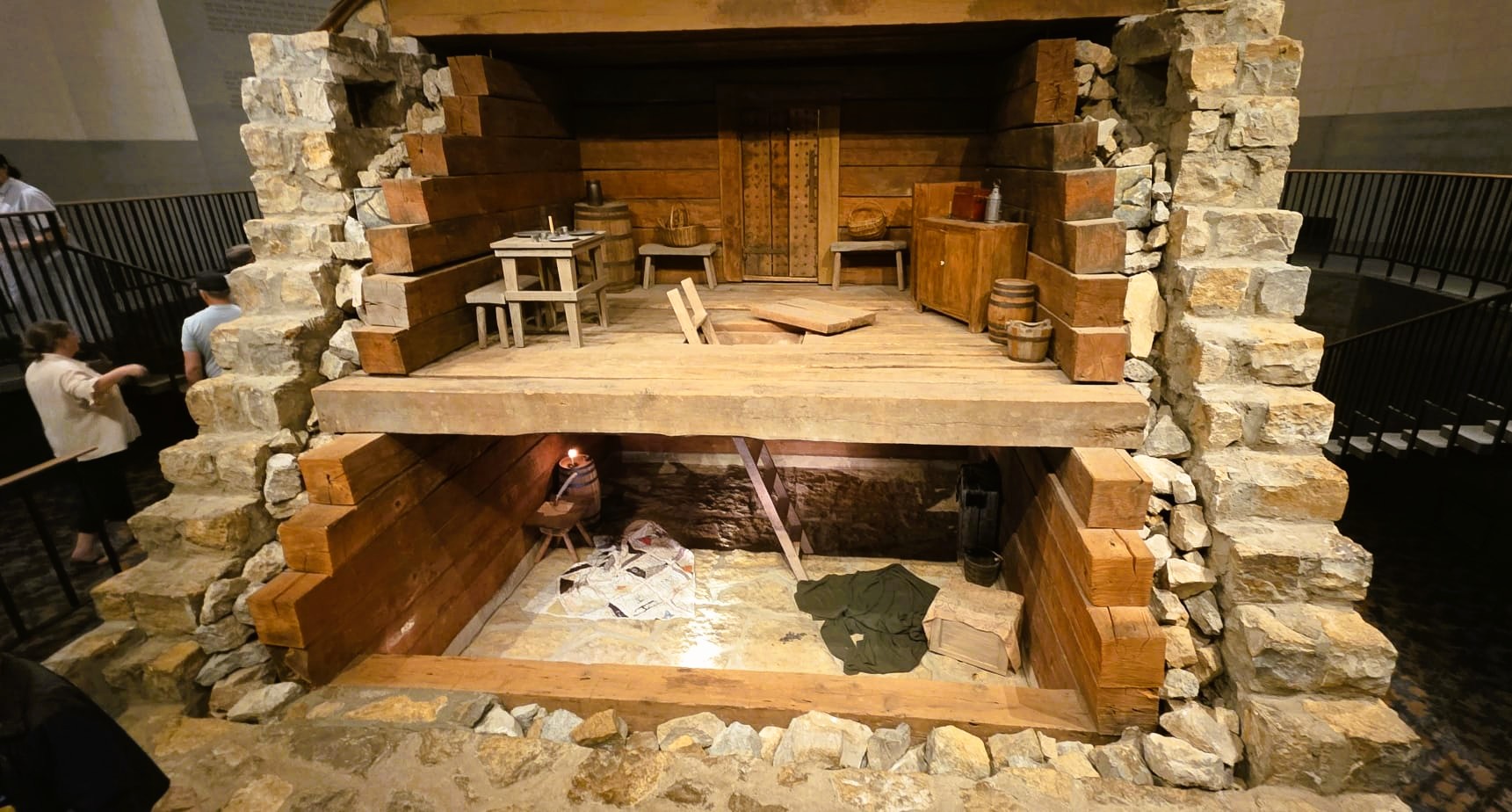
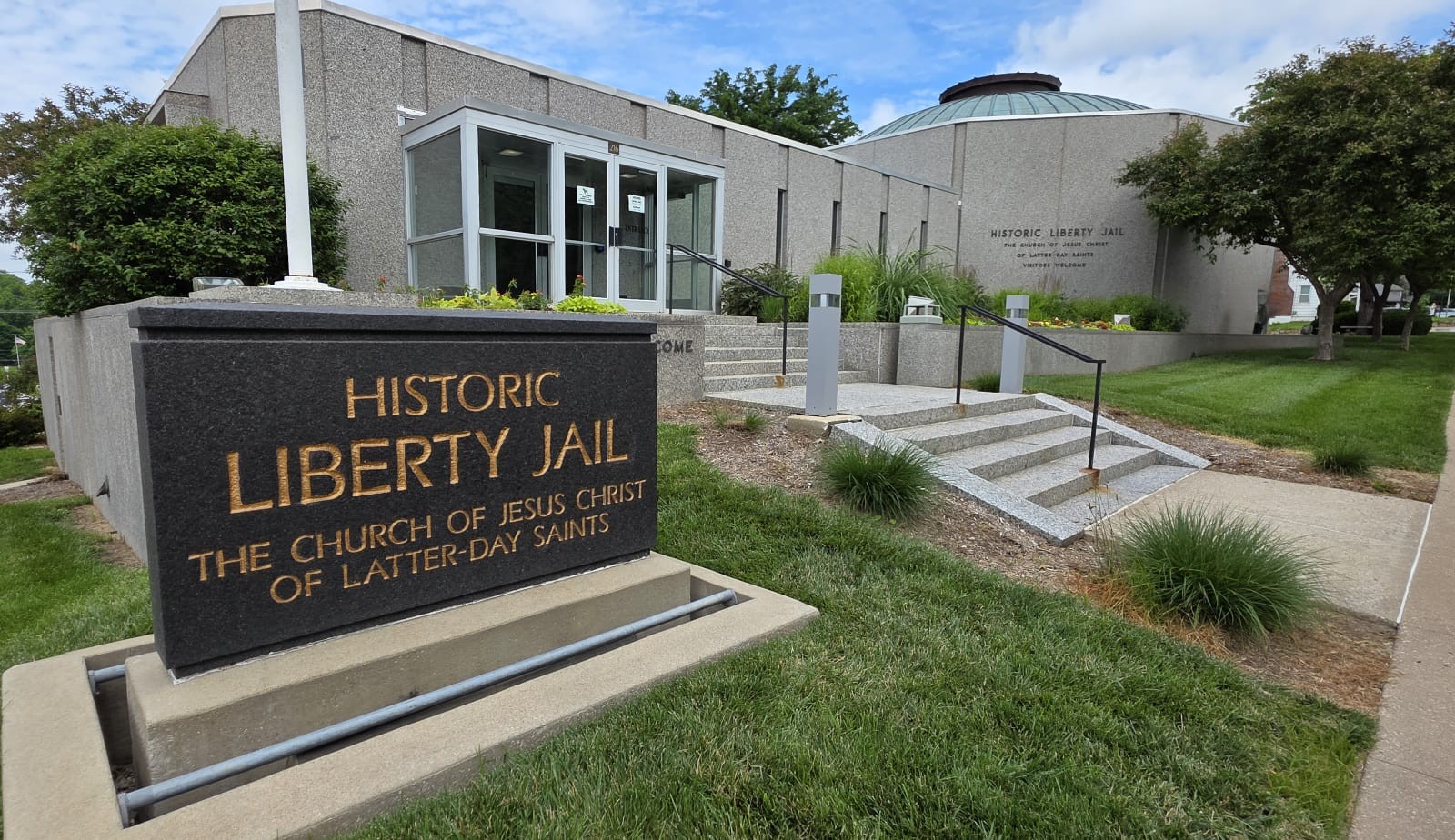
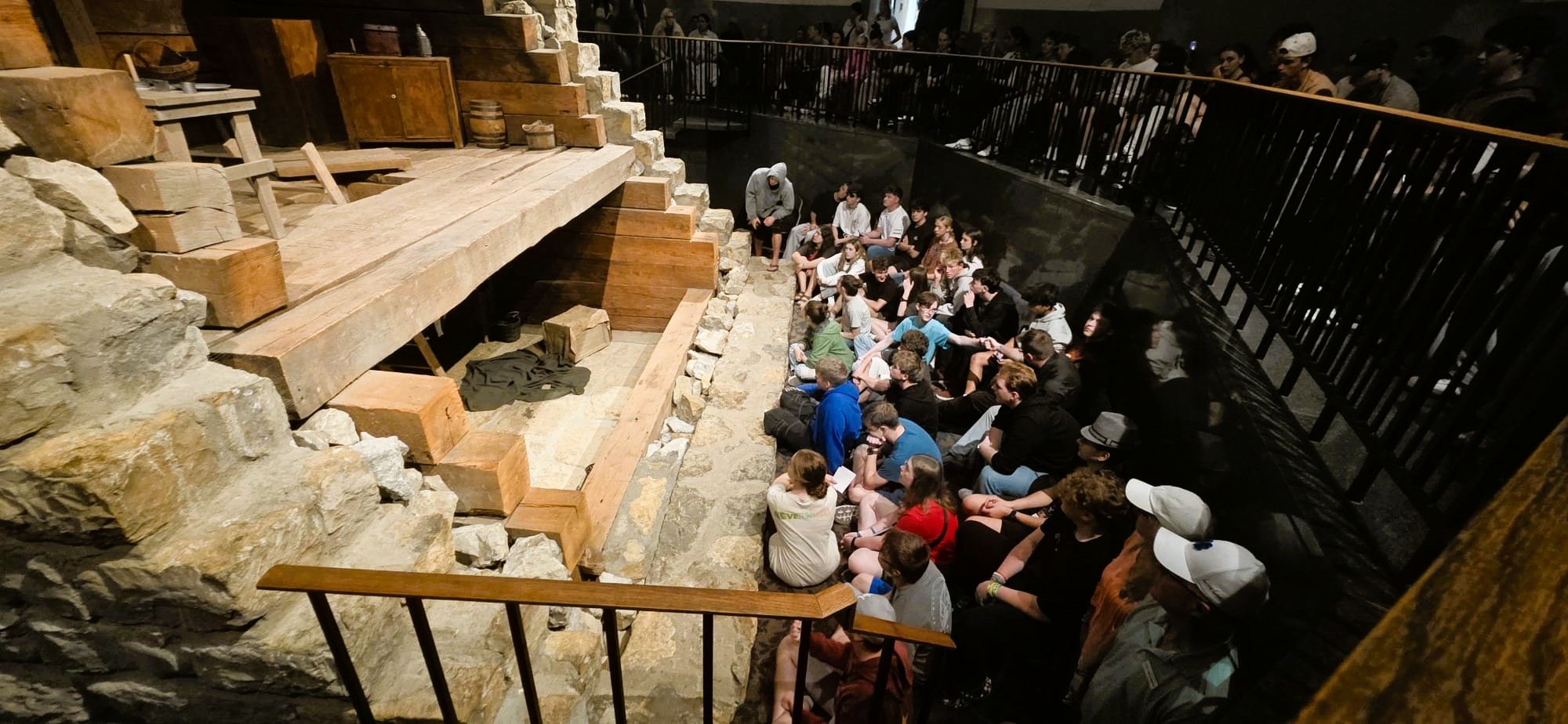
Monic and I, along with more than 100 young people and other group leaders, stood inside the visitors’ centre at Liberty Jail in Missouri.
We looked at the reconstruction of the small stone dungeon where Joseph Smith, his brother Hyrum and four other companions – Sidney Rigdon, Lyman Wight, Caleb Baldwin and Alexander McRae – were imprisoned during the winter of 1838-39.
They had been accused of treason and other crimes following the conflict in Missouri.
For nearly four months, Joseph and several of his companions lost their physical liberty.
Held without bail behind thick walls and iron bars, they endured the bitter cold of a harsh Missouri winter. They slept on dirty straw on a cold stone floor, experiencing hunger, darkness and deep concern for the suffering Saints who were being forcibly driven from their homes and from the state.
It was there that Joseph cried out for divine guidance: “O God, where art thou?” – Doctrine and Covenants 121:1
And it was there that the Lord answered: “My son, peace be unto thy soul; thine adversity and thine afflictions shall be but a small moment.” – Doctrine and Covenants 121:7
There is something deeply moving about that.

Finding Peace

Joseph was not immediately released from prison. His difficult circumstances did not suddenly disappear. But within the walls of Liberty Jail, he received something those walls could not contain: peace, perspective and reassurance from God.
Some of the most expansive and liberating words in modern revelation emerged from within that desperately restricted space.
Monic and I, along with our dear friends Marty and Wendy, began our journey beside a bell that proclaimed liberty.
It ended inside a jail where a prophet discovered that even when our outward freedom is restricted, the light of Christ and the knowledge of God can still reach us.
The Liberty Bell may no longer ring, but the message of Liberty Jail still echoes: no wall is thick enough, no darkness deep enough and no difficulty great enough to place us beyond the reach of our Heavenly Father and His Son, Jesus Christ.
Sometimes the deepest liberty is found within.
What helps you to find peace when your circumstances cannot immediately be changed?
© Copyright 2024 Daryl Watson. All Rights Reserved. Registered in Scotland, Company Number SC473068