Facilitating Learning
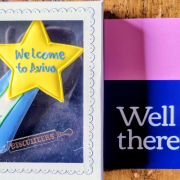
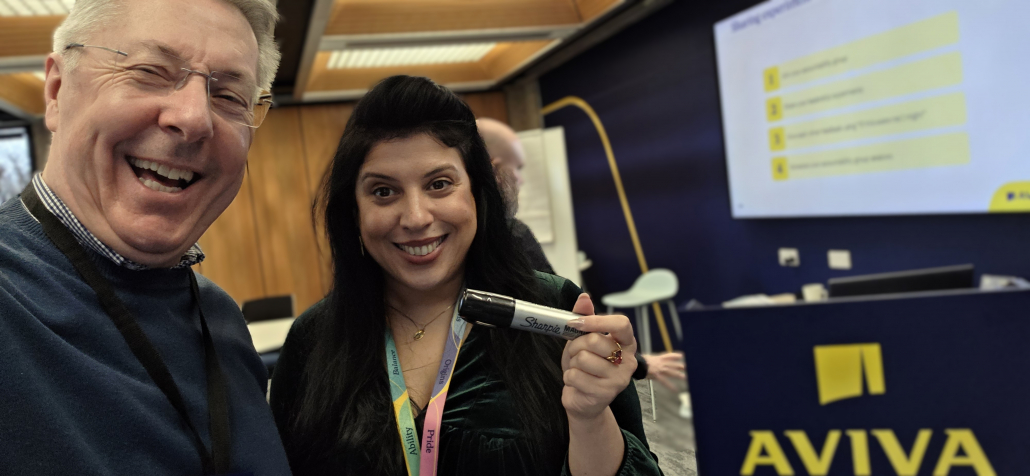
Last week, while facilitating a leadership development session with my colleague Jennifer at Aviva in Perth, I was reminded of something simple, yet important.
What we do as facilitators is often described as training, but that word doesn’t quite tell the whole story.
Training suggests content delivered and instructions followed, often focused on specific tasks or skills.
But learning is different.
Learning happens when people pause, think for themselves, reflect on their own experience, and decide what they might do differently, if anything at all. It’s less about short-term competence and more about long-term growth.
I was also reminded as facilitators, we wear many hats. We’re guides, listeners, designers, timekeepers, sense-makers and occasionally quiet instigators of good discomfort.
Our role isn’t to provide all the answers, but rather to create the conditions where learning can take place.
– The 𝐌𝐨𝐝𝐞𝐥𝐬 we share matter – by giving people language for things they already feel but haven’t yet named.
– The 𝐓𝐨𝐨𝐥𝐬 matter because they slow thinking down and help turn insight into action.
– The 𝐀𝐜𝐭𝐢𝐯𝐢𝐭𝐢𝐞𝐬 matter most, because learning sticks when people talk, test, practice, and make ideas their own.
Working alongside Jennifer was a reminder of something else too.
We weren’t trying to be the same. Our styles, pace, and energy were different.
Yet there was a shared awareness that the learning improved when we listened closely to one another, adjusted in the moment, and allowed space for rhythm rather than control. Not sameness, but harmony.
Unity ≠ Sameness, Unity = Harmony
Harmony in our facilitation showed up through timing, restraint, and responsiveness… sensing when to step forward, when to step back, when to speak, and when to let silence do the heavier lifting.
That isn’t training. It’s learning in motion.
And sometimes, it’s helped along by a very large Sharpie… making thinking visible, a little messier, and far more fun for everyone in the room.
What helps learning come alive for you?