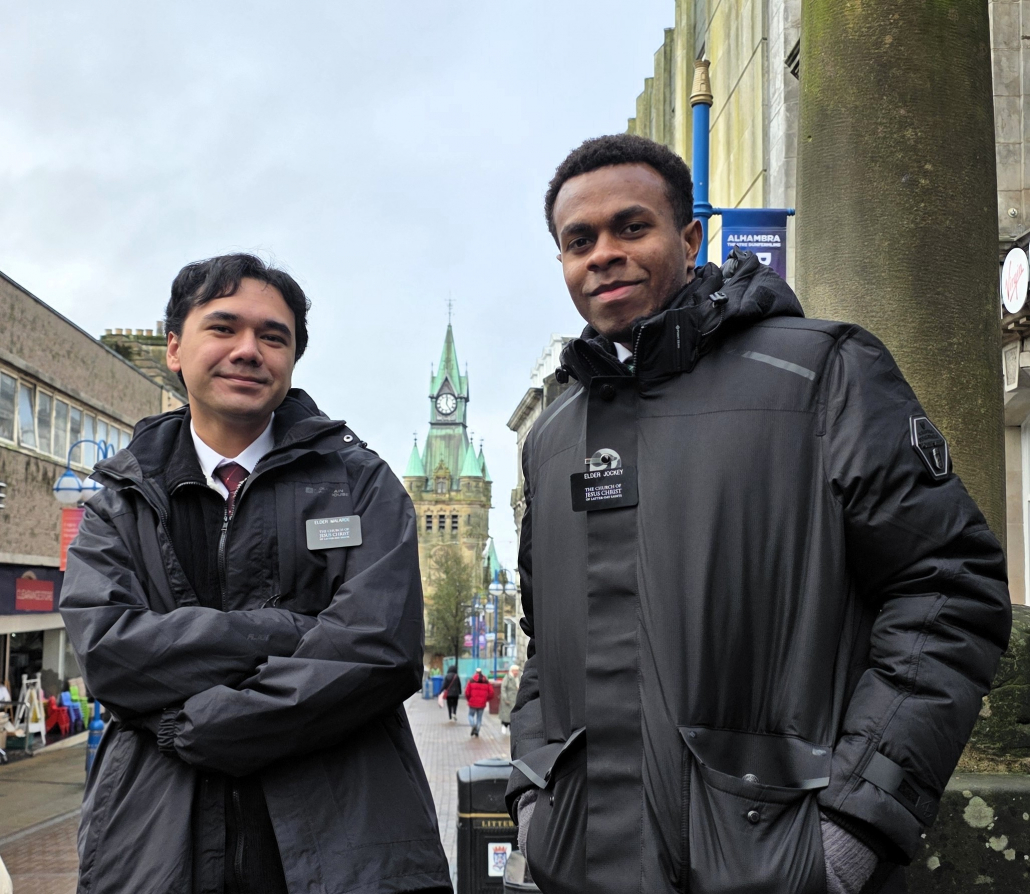
Elders
Every week, along with one or two others, I sit in a meeting to coordinate our missionary efforts in Dunfermline.
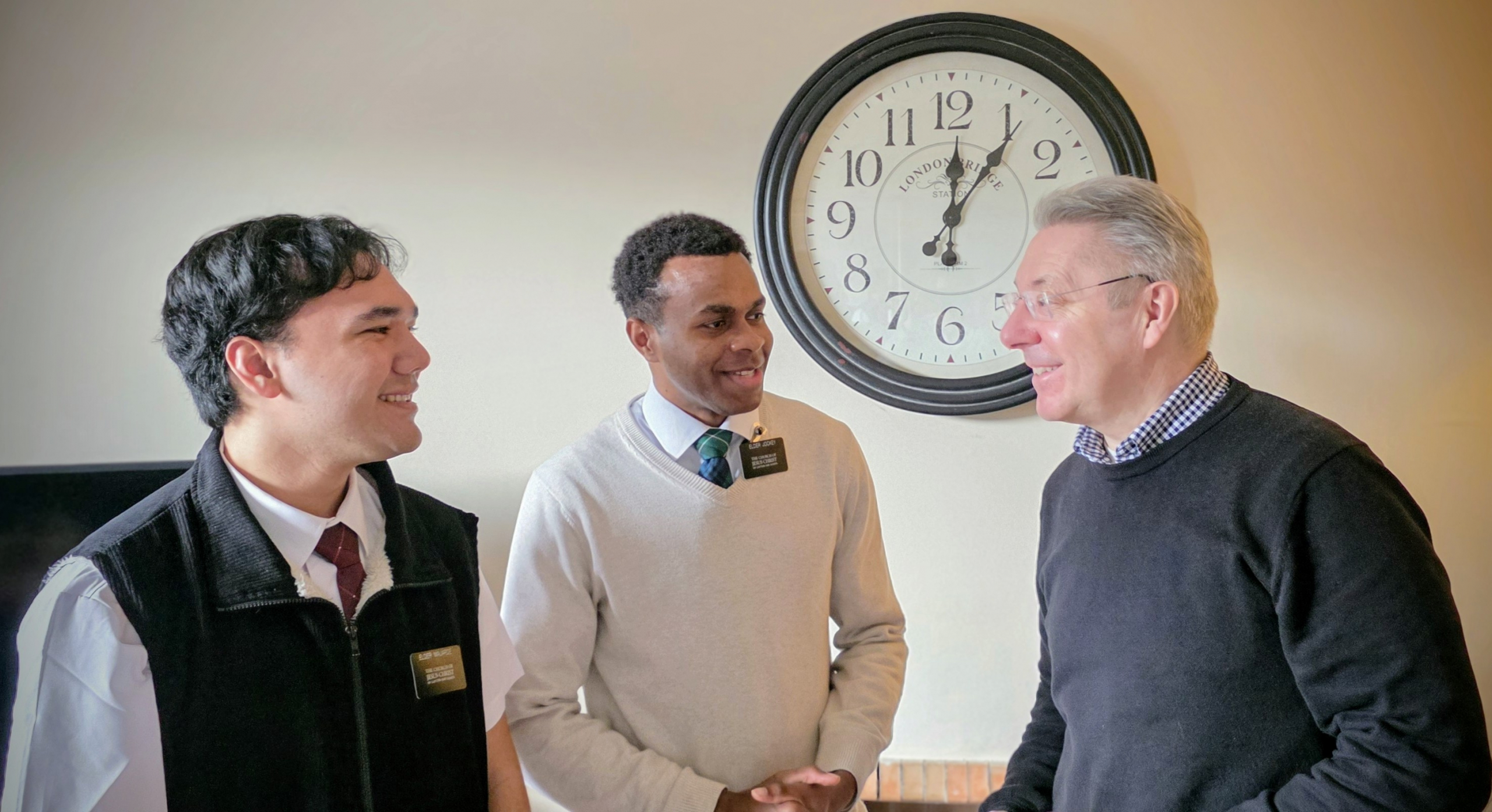
Two participants are our current missionary Elders Billy Jơckey and Angel Malarde, from the Pacific Islands of Vanuatu and Tahiti.
It’s funny that they are here together in a rather chilly Scottish winter!
Something happened this week, that made me think about them and the word “Elder”, in a slightly different way.
While facilitating a leadership programme, a behavioural change model was referenced by my colleague: Child, Adolescent, Adult, and Elder. Each state carries certain characteristics, depending on the situation.
We discussed the “Elder” state, which is typically wisdom-based, usually marked by perspective, steadiness, and a longer view of life.
As my fellow facilitator waxed lyrical about the “Elder” state, my thoughts drifted elsewhere.
My Understanding
I found myself thinking about the many missionary “Elders” I’ve known, hundreds, perhaps even thousands.
My lived experience of the word “Elder” was rather different from what was being described in that moment.
I don’t mean that unkindly, it’s simply my observation.
What struck me wasn’t that the model was wrong at all, rather it was the word “Elder” was being used in a very different way to how I’ve come to understand it through my lifetime.
In The Church of Jesus Christ of Latter-day Saints, Elder isn’t a developmental description, it’s an ordained office in the Melchizedek Priesthood.
We don’t wait until a young man has accumulated wisdom, perspective, or life experience and then say, now you qualify to be an Elder.
We do the opposite. We ordain first.
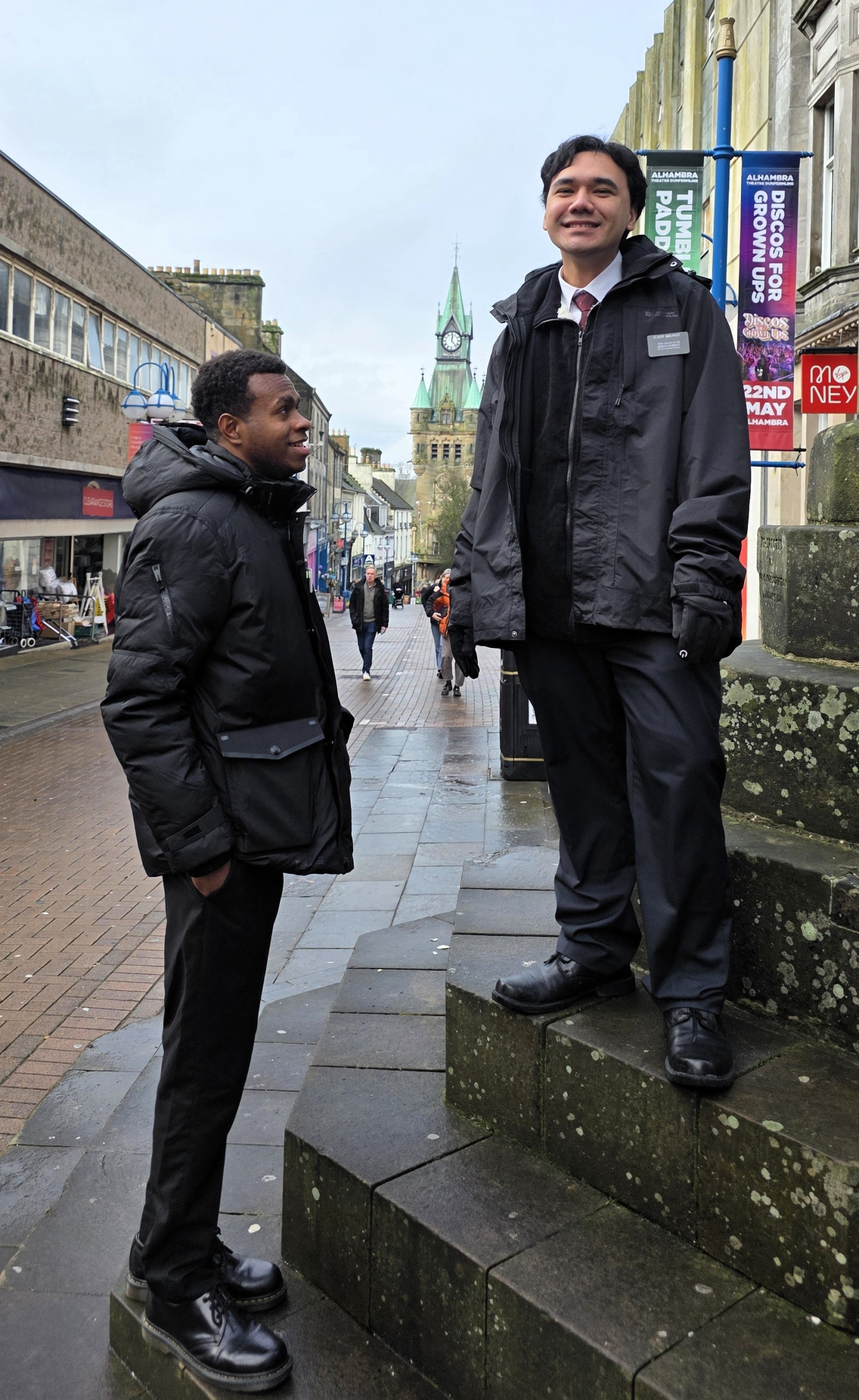
Responsibility is placed on young shoulders, and we trust that growth will follow.
Over the years, I’ve seen that growth happen time and time again.
Some of the youngest missionaries I’ve known have shown moments of remarkable wisdom, humility, and quiet maturity, often surprising themselves as much as anyone else – including me!
In essence they are becoming elders, long before they reach the age that the world associates with the term itself.
Reach out to them and find out for yourself!
What would it look like for you to live a little more “elder-like” today, regardless of your age?