A Flurry of Facilitators
A group of lions is a pride.
A group of geese is a gaggle.
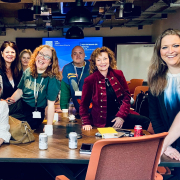
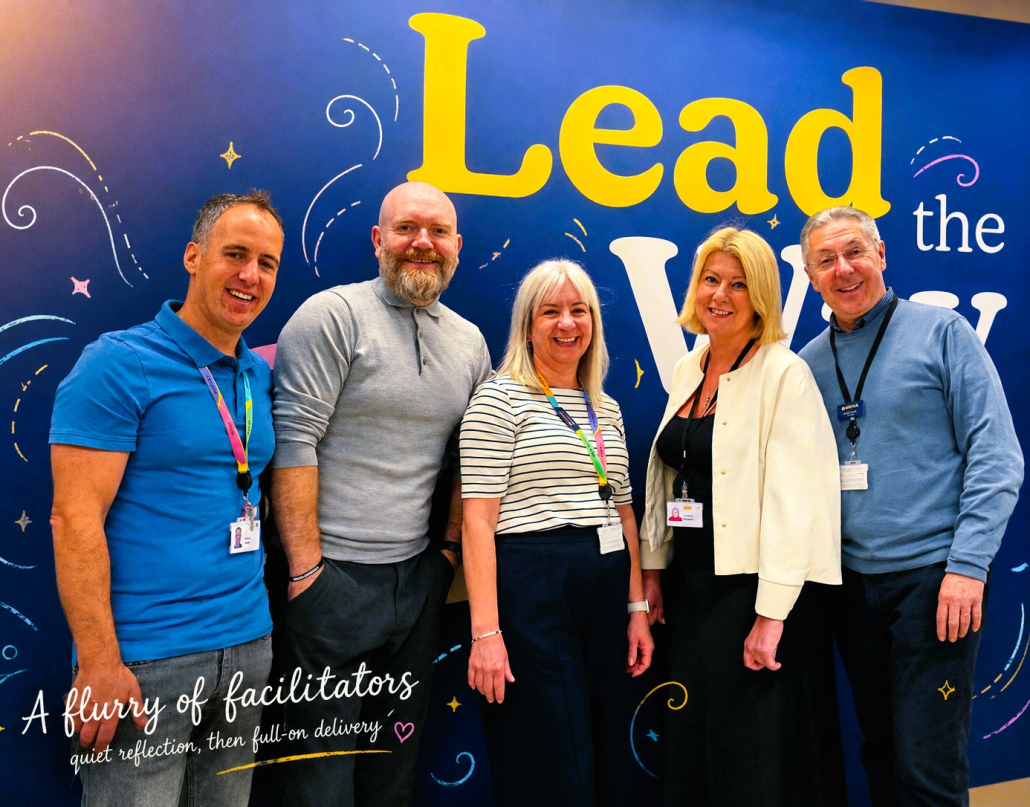
And apparently, a group of facilitators may well be a flurry — at least according to one of my colleagues.
I heard the phrase a week or two ago while working alongside several fellow facilitators, and somehow it feels pretty accurate.
Facilitation often begins quietly. There is thinking, pondering and preparing to be done. Plans are made, activities discussed, flipcharts arranged, PowerPoint slides adjusted and everything carefully set in order.
Then the participants arrive and suddenly, the flurry begins.
Ideas are flying, conversations are flowing, chairs are moving, and carefully prepared timings are being treated as gentle suggestions rather than firm commitments.
There is always energy, laughter and the occasional moment when everyone looks towards the facilitator as though we should know exactly what is happening — and have the answer to everything. Naturally, we smile confidently.
Eventually comes the familiar task of gathering everyone back together (which happens several times on any given day), a process often described as herding cats.
Cats, of course, are not natural herd animals. Unlike sheep, horses or cows, they generally prefer to go their own way, follow whatever has caught their attention and return only when they are good and ready.
Much like participants on a Lead the Way programme.
Some are finishing their coffee. Others are making another loo trip, answering an urgent email, or becoming absorbed in a fascinating conversation that has absolutely nothing to do with the session.
And then there are usually a few who appear to quietly wander off altogether.
Cat Herders
Thankfully, my fellow facilitators are not only thoughtful, skilled and experienced — they are also expert cat herders.
It may not appear on the formal facilitator job description, but perhaps it should:
Essential skill: the ability to gather independent-minded adults back into a room without appearing to chase them.
And then, almost as quickly as it began, the room grows quiet again. The participants leave. The flipcharts remain. The facilitators pause, reflect and ask the traditional post-session question:
“Did that go the way we planned?”
Usually, the answer is: “Well… not entirely.”
And often, that is where the best learning happened.
So yes, a flurry of facilitators feels just right: moments of stillness and thought, followed by a wonderful burst of movement, creativity, conversation and barely controlled chaos.
All held together by a small group of people who know how to ask good questions, follow the energy in the room — and gently herd the occasional cat.
What collective noun would you use for a group of facilitators?